
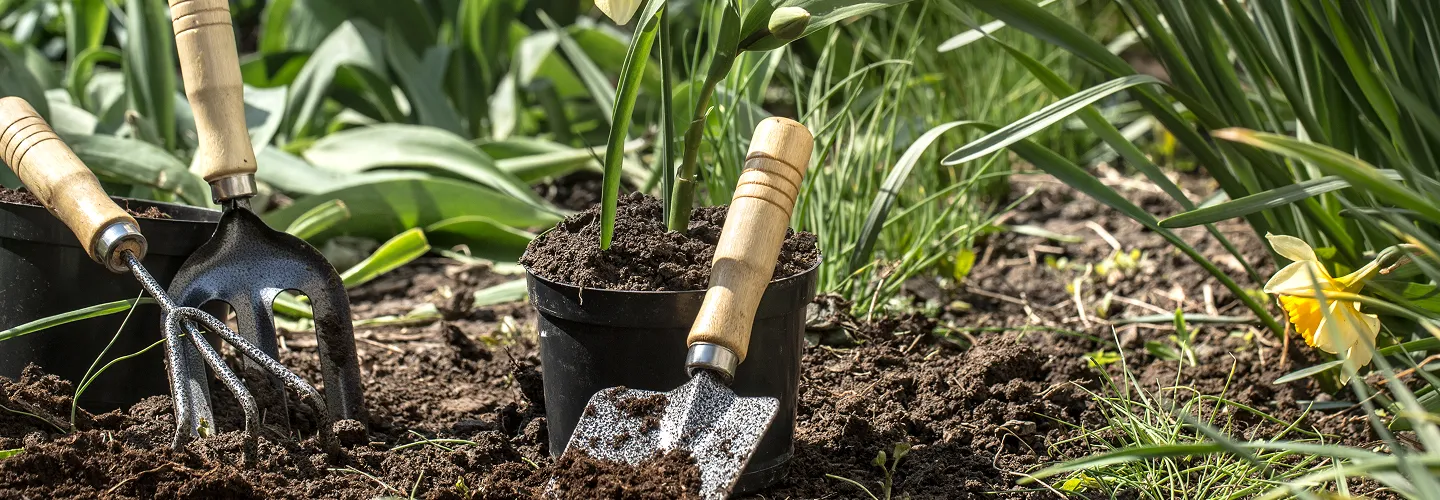
Bethlehem Lawn Edging Services
Choose our expert lawn edging for a polished, professional look that enhances curb appeal, prevents grass overgrowth, and makes yard maintenance easier than ever.
Get a Free QuoteOur Bethlehem Landscaping & Yard Care Services
When to Schedule Lawn Edging in Bethlehem, Connecticut – Seasonal Guide
In Bethlehem, Connecticut, the best times to schedule lawn edging are typically in early spring and late fall. These periods align with the region’s climate, where the last frost usually passes by mid-April and the first frost arrives in late October. Edging in spring helps define crisp borders before the growing season begins, while a fall session tidies up your landscape before winter sets in. Neighborhoods near Long Meadow Pond and the historic Bethlehem Green often experience varying microclimates, so it’s important to consider your property’s unique conditions.
Local environmental factors such as soil composition—Bethlehem’s loamy soils drain well but can compact in shaded areas—play a significant role in timing. Properties with dense tree coverage, like those along Kasson Road, may require more frequent edging due to increased leaf litter and shade. Additionally, municipal guidelines and seasonal precipitation patterns can affect when services are best performed. For more information on local regulations, visit the Sudbury town website.
Local Factors to Consider for Lawn Edging in Bethlehem
- Tree density and shade coverage (affects grass growth and debris accumulation)
- Soil type and drainage (loamy vs. clay-heavy areas)
- Proximity to landmarks like Long Meadow Pond or Bethlehem Green
- Seasonal precipitation and drought risk
- Frost dates and temperature fluctuations
- Municipal restrictions or guidelines on landscaping services
Benefits of Lawn Edging in Bethlehem

Enhanced Curb Appeal
Defined Landscape Borders
Reduced Weed Growth
Improved Lawn Maintenance
Increased Property Value
Professional and Clean Finish
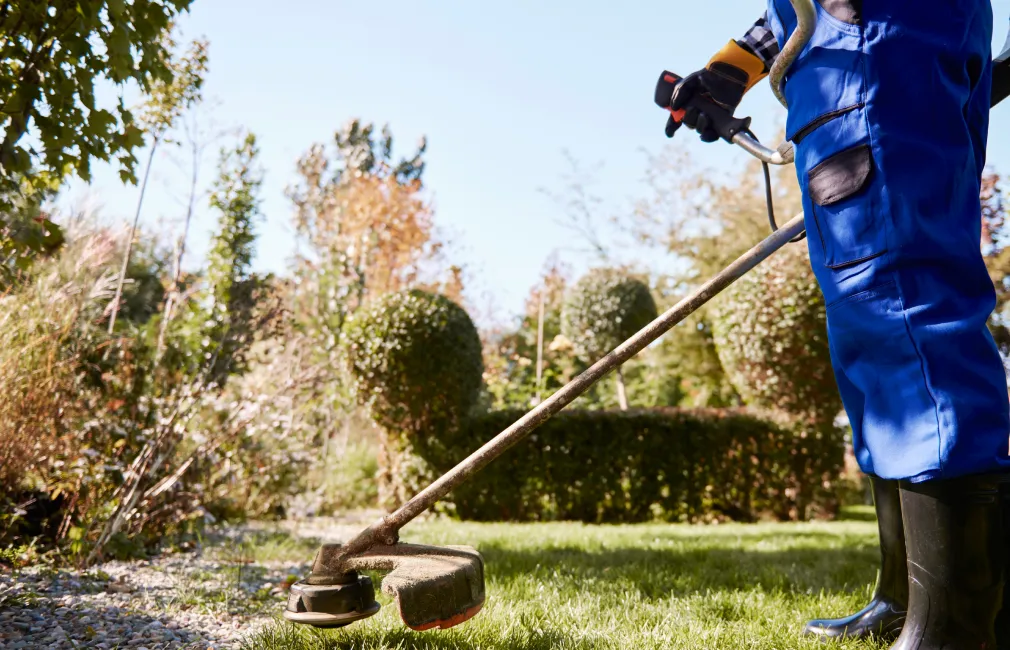
Bethlehem Lawn Edging Types

Steel Lawn Edging
-
Plastic Landscape Edging
-
Natural Stone Borders
-
Brick Lawn Edging
-
Concrete Curb Edging
-
Wooden Landscape Borders
-
Rubber Lawn Edging
Our Lawn Edging Process
Site Evaluation
Marking Edges
Cutting the Edge
Debris Removal
Final Inspection
Why Choose Bethlehem Landscape Services

-
Bethlehem Homeowners Trust Us
-
Expert Lawn Maintenance
-
Reliable Seasonal Cleanup
-
Competitive Pricing
-
Professional Team
-
Satisfaction Guarantee
-
Personalized Service
Bethlehem’s Glacial Till Soils and Lawn Edging Depth Requirements
Bethlehem’s predominant soils, as identified by the USDA Web Soil Survey, are Inceptisols formed from glacial till, including the Paxton and Charlton series. These soils are moderately acidic (pH 5.5–6.5), stony, and often poorly drained, with a seasonal water table at 12–18 inches. For effective lawn edging, it is recommended to install physical barriers to a depth of 4–6 inches to prevent grass encroachment, accounting for the rocky subsoil. Soil amendments such as lime may be necessary if pH falls below 6.0. Residents are encouraged to conduct a soil test through UConn Extension (typical cost: $15–25) before major edging projects. Compost incorporation (2–3 inches tilled to 6-inch depth) can improve structure and drainage. These practices help ensure long-term edge stability and compliance with local landscaping standards.
Municipal Coordination for Lawn Edging Projects in Bethlehem
All lawn edging work in Bethlehem must comply with municipal ordinances regarding property lines, setbacks, and public right-of-way. Edging installations must maintain a minimum 5-foot setback from public sidewalks and a 25-foot buffer from designated wetlands. Equipment operation is permitted during the following hours:
- Monday–Friday: 7:00 AM – 7:00 PM
- Saturday: 8:00 AM – 6:00 PM
- Sunday and holidays: Prohibited Permit requirements may apply for projects affecting drainage or involving hardscape elements. For guidance on local codes, permit applications, and setback enforcement, contact:
Bethlehem Department of Public Works
36 Main Street South, Bethlehem, CT 06751
Phone: (203) 266-7448
Official Website: Bethlehem Department of Public Works
Coordination with the Bethlehem Planning & Zoning office is also recommended for projects near property boundaries or within regulated districts.
Environmental Compliance: Wetland Buffers and Stormwater in Bethlehem
Lawn edging near wetlands, streams, or conservation areas in Bethlehem is subject to strict environmental regulations. A 25-foot no-disturbance buffer is required from all designated wetlands, and no fertilizer or herbicide application is permitted within 50 feet of water bodies. The Connecticut Environmental Protection Act and the town’s MS4 stormwater permit prohibit the discharge of soil, mulch, or clippings into storm drains. To ensure compliance:
- Maintain 25-foot wetland buffers
- Use biodegradable edging materials where possible
- Prevent runoff of soil or chemicals into storm drains
- Schedule work during dry weather to minimize erosion risk For questions about protected areas or buffer enforcement, contact:
Bethlehem Conservation Commission
36 Main Street South, Bethlehem, CT 06751
Phone: (203) 266-7677
Official Website: Bethlehem Conservation Commission
Statewide stormwater requirements are overseen by the Connecticut Department of Energy and Environmental Protection.
Seasonal Timing and Equipment Standards for Lawn Edging in Bethlehem’s Climate
Bethlehem is located in USDA Hardiness Zone 6a, with average last frost in late April and first frost in late October. Optimal timing for lawn edging is mid-April through early June and again from late August to mid-October, when soil temperatures are between 50–65°F and turf growth is active. Avoid edging during peak summer (July–August) to reduce stress on cool-season grasses. Equipment used for edging must meet safety and noise standards:
- Eye protection: ANSI Z87.1 safety glasses
- Hearing protection: Earmuffs or plugs for 85+ dB noise
- Footwear: Steel-toed boots, non-slip soles
- Equipment operation hours as specified by ordinance Routine blade sharpening (every 20–25 hours) is recommended for clean cuts. For weather-related scheduling, consult the National Weather Service Albany Office, which provides local forecasts for Bethlehem.
What Neighborhoods Do We Serve Throughout Bethlehem, CT?
- Bethlehem Village: Features mature trees and historic homes, with rocky, poorly drained soils requiring deep edging and careful root management.
- Long Meadow: Characterized by larger lots and proximity to wetlands, necessitating strict buffer compliance and attention to drainage patterns.
- Town Center: Includes mixed-use properties and public spaces, where edging must account for pedestrian access and municipal right-of-way regulations.
- Nonnewaug: Rural area with sloped terrain and seasonal water flow, presenting challenges for erosion control and equipment access.
- Lime Rock: Known for shallow, stony soils and conservation land adjacency, requiring specialized edging materials and adherence to environmental protections.
- Hard Hill: Residential area with compacted soils and narrow roadways, demanding precise equipment operation and compliance with noise ordinances.
- Woodcreek: Subdivision with newer development, uniform lot sizes, and HOA landscaping standards influencing edging design and maintenance.