
Bethlehem Brush Removal Services
Choose our brush removal experts for fast, reliable service that keeps your property safe, beautiful, and ready for your next project.
Get a Free QuoteOur Bethlehem Landscaping & Yard Care Services
When to Schedule Brush Removal in Bethlehem, Connecticut – Seasonal Guide
In Bethlehem, Connecticut, timing your brush removal is crucial for maintaining a healthy and attractive landscape. The best periods for this service are typically late winter through early spring and again in late fall, when vegetation is dormant and easier to manage. Bethlehem’s climate features cold winters with frequent frosts, followed by humid summers and moderate rainfall, making it important to plan brush removal around these seasonal shifts. For example, neighborhoods near Long Meadow Pond or the Bellamy-Ferriday House often experience dense undergrowth and shaded areas, which can influence the timing and frequency of brush clearing.
Local environmental factors such as the last spring frost, summer drought risk, and the region’s well-drained, rocky soils all play a role in determining the optimal schedule. Homeowners should also consider municipal guidelines and potential restrictions, which can be found on the Town of Sudbury’s official website, to ensure compliance with local regulations. By understanding Bethlehem’s unique landscape and weather patterns, you can schedule brush removal at the most effective times for both safety and curb appeal.
Local Factors to Consider for Brush Removal in Bethlehem
- Tree density and type of vegetation (e.g., hardwoods vs. evergreens)
- Terrain and slope, especially in areas like Kasson Road or near Nonnewaug High School
- Average precipitation and risk of summer drought
- Frost dates and seasonal temperature swings
- Shade coverage and sunlight exposure
- Soil type and drainage characteristics
- Municipal restrictions or neighborhood association guidelines
Benefits of Brush Removal in Bethlehem

Enhanced Curb Appeal
Improved Property Safety
Prevention of Pest Infestations
Increased Usable Outdoor Space
Healthier Landscape Growth
Efficient and Eco-Friendly Service
Bethlehem Brush Removal Types

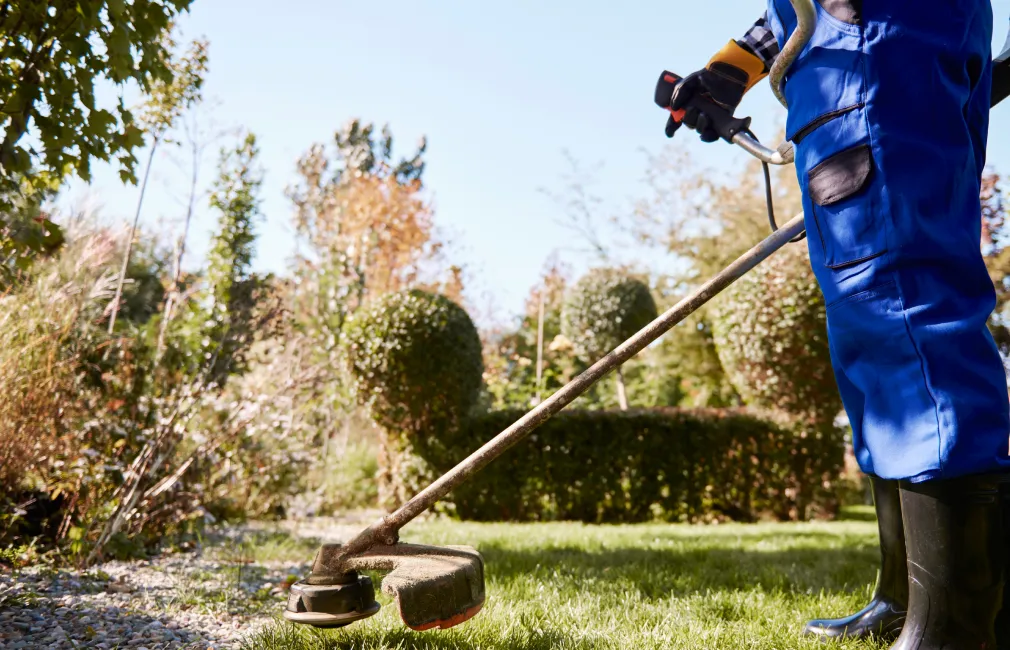
Manual Brush Clearing
Efficient removal of brush using hand tools for precise landscaping results.
-
Mechanical Brush Removal
Utilizing specialized machinery to clear large areas of overgrown brush quickly.
-
Selective Brush Thinning
Targeted removal of specific brush to promote healthy plant growth and aesthetics.
-
Brush Chipping
Converting removed brush into mulch for eco-friendly disposal and reuse.
-
Brush Hauling and Disposal
Safe transportation and disposal of brush debris from your property.
-
Stump and Root Removal
Complete extraction of brush stumps and roots to prevent regrowth.
Our Brush Removal Process
Site Evaluation
Safety Preparation
Brush Clearing
Debris Removal
Final Inspection
Why Choose Bethlehem Landscape Services

-
Bethlehem Homeowners Trust Us
-
Expert Lawn Maintenance
-
Reliable Seasonal Cleanup
-
Competitive Pricing
-
Professional Team
-
Satisfaction Guarantee
-
Personalized Service
Bethlehem’s Department of Public Works Brush Collection Procedures and Ordinances
Brush removal in Bethlehem is governed by specific municipal procedures to ensure orderly collection and environmental compliance. The Department of Public Works schedules brush pickup on the first and third Thursdays from April through November. Residents must place brush curbside by 7:00 AM in bundles no longer than 4 feet and no thicker than 4 inches in diameter. Only biodegradable twine is permitted for bundling; plastic bags and wire are prohibited. Equipment operation for brush removal is allowed:
- Monday-Friday: 7:00 AM - 7:00 PM
- Saturday: 8:00 AM - 6:00 PM
- Sunday and holidays: Prohibited
Permits are required for large-scale clearing or removal near public rights-of-way, with a typical review period of 7-10 business days. For detailed guidance, residents should consult the Department of Public Works.
Bethlehem Department of Public Works
36 Main Street South, Bethlehem, CT 06751
Phone: (203) 266-7448
Official Website: Bethlehem Department of Public Works
Soil and Site Considerations for Brush Removal in Bethlehem’s Glacial Till Landscapes
Bethlehem’s terrain is characterized by Inceptisols and Ultisols, with glacial till soils such as Charlton-Chatfield and Canton series. These soils are moderately acidic (pH 5.5-6.5), stony, and often poorly drained, especially in low-lying areas. Brush removal projects must account for shallow bedrock and seasonal water tables at 12-18 inches. Mechanical removal should avoid excessive soil disturbance to prevent erosion and sediment runoff. Recommended best practices include:
- Use tracked equipment to minimize compaction
- Limit removal to dry periods (soil moisture below field capacity)
- Maintain a 25-foot buffer from wetlands and streams
- Incorporate 2-3 inches of compost if replanting is planned
Soil testing is available through UConn Extension for $15-25 per sample. For detailed soil mapping, consult the USDA Web Soil Survey.
Environmental Compliance: Wetland Buffers and Stormwater Protections in Bethlehem
Brush removal near Bethlehem’s wetlands, such as those bordering Long Meadow Pond Brook, is subject to strict buffer requirements. The Connecticut Environmental Protection Act mandates a minimum 25-foot no-disturbance zone from delineated wetlands and watercourses. The town’s MS4 permit, administered under the Clean Water Act, prohibits brush or debris from entering storm drains. Key compliance steps include:
- Marking wetland boundaries before work begins
- Retaining natural vegetation within buffer zones
- Using silt fencing on slopes exceeding 5%
- Scheduling removal outside of heavy rain events (check National Weather Service for local forecasts)
For site-specific buffer requirements and wetland delineation, coordinate with the Conservation Commission.
Bethlehem Conservation Commission
36 Main Street South, Bethlehem, CT 06751
Phone: (203) 266-7677
Official Website: Bethlehem Conservation Commission
Safety Standards and Equipment Protocols for Brush Removal in Bethlehem
All brush removal operations in Bethlehem must adhere to municipal safety standards and state regulations. Operators are required to use:
- Eye protection: ANSI Z87.1 safety glasses
- Hearing protection: Earmuffs or plugs for 85+ dB equipment
- Footwear: Steel-toed boots with non-slip soles
- Gloves: Cut-resistant for chainsaw or chipper use
Maintain a 15-foot clearance from overhead power lines and a 50-foot setback from public roads unless traffic control is implemented. Equipment must be commercial-grade and inspected every 25 operating hours. The Bethlehem Fire Department provides guidance on fire safety protocols for brush burning, which is only permitted with an approved burn permit and under specific weather conditions.
Bethlehem Fire Department
26 Main Street South, Bethlehem, CT 06751
Phone: (203) 266-5651
Official Website: Bethlehem Fire Department
What Neighborhoods Do We Serve Throughout Bethlehem, CT?
- Bethlehem Village: Features mature woodlots and historic properties with stony, moderately drained soils; brush removal often requires careful access and compliance with local historic district guidelines.
- Long Meadow Pond Area: Proximity to wetlands and watercourses necessitates strict buffer observance and erosion control during removal activities.
- Nonnewaug: Characterized by larger lots and mixed forest cover; access for equipment is generally good, but rocky soils may require specialized machinery.
- Town Center: Higher density and smaller lots, with frequent overhead utilities and narrow roadways; brush removal must coordinate with municipal traffic and safety protocols.
- Hard Hill: Steep slopes and shallow soils increase erosion risk; projects here require additional sediment control and careful timing to avoid wet conditions.
- Lime Rock: Contains conservation lands and protected open space; removal work is subject to additional review by the Conservation Commission and may require special permits.
State and Federal Environmental Oversight for Brush Removal in Bethlehem
Brush removal in Bethlehem is regulated not only by local ordinances but also by state and federal environmental laws. The Connecticut Department of Energy and Environmental Protection (CT DEEP) enforces the Connecticut Environmental Protection Act, which governs wetland protection, stormwater management, and debris disposal. Bethlehem falls under EPA Region 1 for federal oversight. All brush removal activities must comply with:
- MS4 stormwater permit requirements (no dumping in storm drains)
- 25-foot wetland buffer minimum
- Proper disposal at approved municipal or regional facilities
For technical guidance on best practices and compliance, consult UConn Extension and the USDA Web Soil Survey.